Anxious attachment style: signs, causes, and how to heal
Anxious attachment style: signs, causes, and how to heal in Irvine CA
Anxious attachment style can make love feel overwhelming, fragile, and constantly at risk. If you live with an anxious attachment style, relationships may feel like standing at the edge of something beautiful but unstable, never fully certain it will hold.
You might crave closeness deeply while also fearing that it will disappear. You may replay conversations in your head, feel your chest tighten when a text goes unanswered, or question whether you are too much for the people you care about. This is not a weakness. It is a nervous system shaped by experiences that taught you love was unpredictable.
Healing anxious attachment styles is possible. And you do not have to do it alone.
If you don't know me yet, I am Dama Perez, founder of CASA Therapy and a Latina therapist specializing in relationships in Irvine, CA. I specialize in helping first-gen Latinas, professionals of color, and multicultural couples break free from cycles of anxiety, over-responsibility, and self-doubt.
If this topic connects to your relationship struggles, you may also want to explore my anxiety counseling and therapy for couples services.
What is an anxious attachment style?
Anxious attachment style is one of the insecure attachment patterns described in attachment theory. At its core, it reflects a deep fear of abandonment and an intense need for reassurance in relationships.
If you have an anxious attachment style, your nervous system may constantly scan for signs of distance, rejection, or disconnection. Even small shifts in tone or energy can feel threatening. You may love deeply, but you also feel easily destabilized.
This pattern often begins in childhood. When caregiving was sometimes warm and sometimes unavailable, your system learned that connection was not guaranteed. Love felt conditional. Safety felt fragile.
Anxious attachment style is not a personality flaw. It is an adaptive response to unpredictability.
Research from a 2023 doctoral dissertation at UC Irvine found that higher levels of attachment anxiety are associated with lower relationship satisfaction, even when commitment remains high.
In other words, people with anxious attachment styles may stay deeply invested in their relationships, but still feel chronically unsettled or emotionally insecure within them.
The study also found that attachment avoidance was associated with lower relationship commitment and lower satisfaction overall.
This means an anxious attachment style is not about loving too much. It is about loving without feeling consistently safe.
Signs you may have an anxious attachment style
Anxious attachment style often hides beneath competence and strength. Many of my clients are high functioning professionals who look steady on the outside but feel anxious inside their closest relationships.
You may recognize yourself in some of these patterns.
Fear of abandonment
You may worry that your partner will leave, even without clear evidence. When conflict happens, your mind may jump to worst case scenarios. Breakups may feel catastrophic, even when the relationship was not meeting your needs.
Hypervigilance to distance
You notice everything. A shorter text. A delayed response. A shift in tone. Your body reacts before your mind can reason through it. Your heart races. You feel uneasy.
Your system is scanning for safety.
Needing reassurance
You may ask for confirmation that everything is okay. You may seek repeated validation that you are loved or valued. When reassurance is not immediate, anxiety increases.
Emotional highs and lows
Relationships can feel intense. The closeness feels euphoric. The distance feels devastating. You may swing between hope and despair within hours.
Difficulty self soothing
When triggered, calming yourself alone feels almost impossible. You may rely on your partner to regulate your emotions for you, even if that creates tension between you.
In a university sample of 562 young adults, researchers found that attachment anxiety and avoidance were significantly correlated, meaning individuals often carry overlapping insecurity patterns.
Participants higher in attachment anxiety showed stronger emotional reactivity and hypervigilance to relationship threat.
Individuals higher in attachment avoidance reported greater emotional distancing and lower relational engagement.
What causes an anxious attachment style?
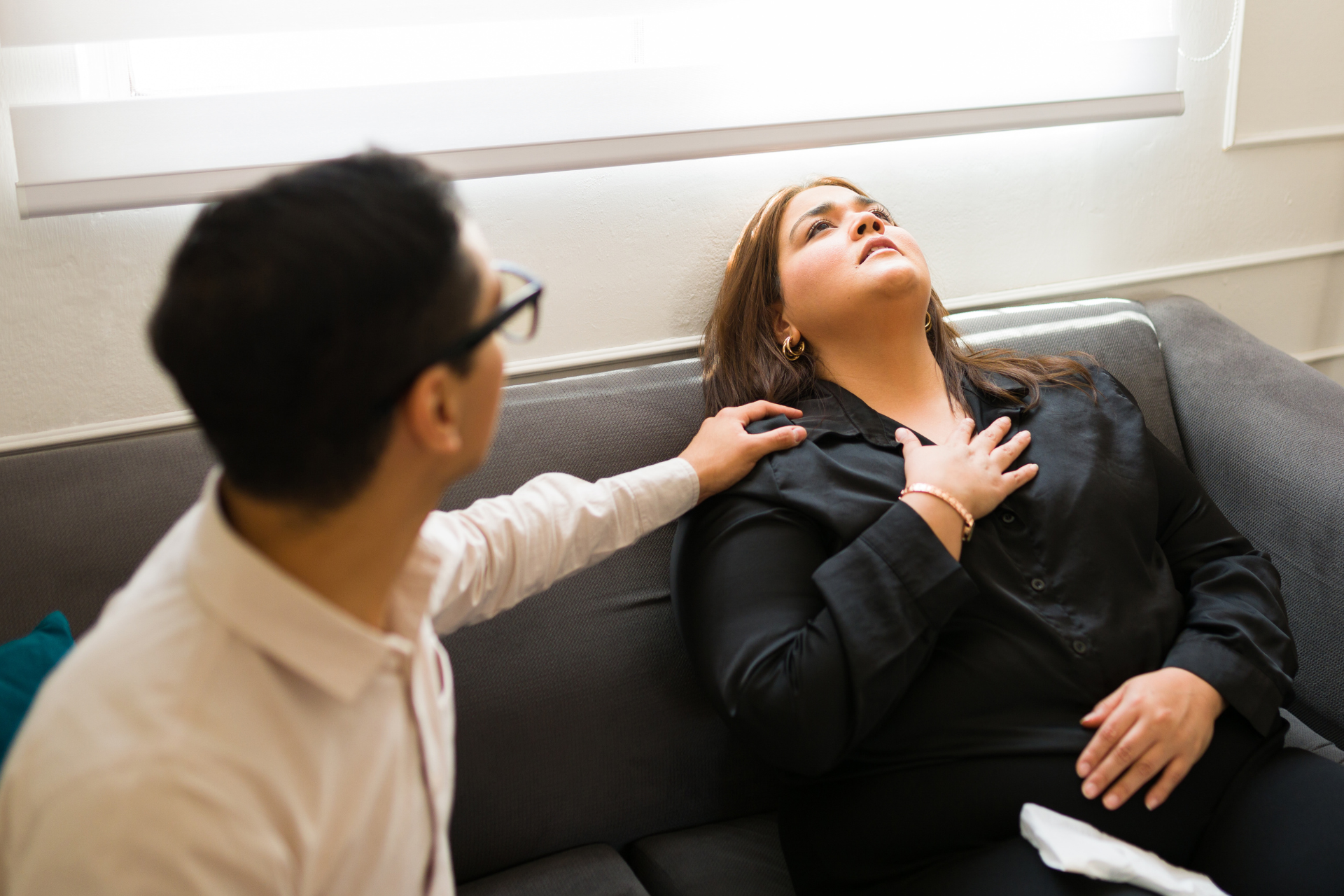
Anxious attachment style develops in relational environments where emotional safety is inconsistent.
Inconsistent caregiving
If caregivers were sometimes nurturing and sometimes unavailable, you may have learned that you had to work hard to maintain connection. Love felt earned, not secure.
Emotional misattunement
When your feelings were dismissed or minimized, you may have internalized the belief that your needs were too much. You learned to amplify distress to be heard.
Cultural silence around emotions
For many first generation individuals and children of immigrants, emotional expression was not encouraged. Survival and loyalty were prioritized. Feelings were often secondary.
Silence may have felt safer than vulnerability.
Generational trauma
Patterns of abandonment, migration, grief, or instability can echo across generations. You may be reacting not only to your own experiences, but to inherited fear.
Relationship trauma in adulthood
Even if childhood felt stable, adult experiences such as betrayal or emotional unavailability can reinforce anxious attachment style patterns.
Your body remembers what your mind tries to forget.
How does anxious attachment style affect relationships?
Anxious attachment style often creates predictable relational cycles. You may recognize the pursuit withdrawal dynamic.
The pursue withdraw cycle
When you sense distance, you move closer. You ask questions. You seek reassurance. If your partner feels overwhelmed and withdraws, your anxiety intensifies. The more they pull away, the more you pursue.
Neither of you is trying to hurt the other. Both of you are protecting yourselves.
Conflict that escalates quickly
Arguments may start small and grow fast. What begins as a conversation about chores can quickly turn into deeper fears of not being valued or chosen.
It is rarely about the surface issue. It is about the ache underneath.
Testing love or overgiving
You may overextend yourself to prove your worth. Or you may test your partner to see if they will fight for you. Both are attempts to reduce uncertainty.
Self abandonment to keep peace
You may silence your needs to avoid rupture. You shrink to keep the relationship intact. Over time, resentment builds quietly.
You do not have to keep shrinking to keep the peace.
Anxious attachment style and avoidant attachment dynamics
Anxious attachment style often pairs with avoidant attachment. This dynamic can feel magnetic and painful at the same time.
You may crave closeness. Your partner may value independence. When you move closer, they feel crowded. When they create space, you feel rejected.
This is not about incompatibility. It is about nervous system protection.
Understanding this dynamic is the first step toward shifting it.
Can an anxious attachment style be healed?
Yes. Anxious attachment style can be healed. Not erased overnight, but gently reshaped through consistent, safe relational experiences.
Healing does not mean you never feel fear again. It means fear no longer drives your behavior.
Emotional regulation skills
Learning to pause before reacting changes everything. Breathing techniques, grounding exercises, and body awareness help your nervous system settle.
You begin responding from clarity rather than panic.
Learning to self soothe
Self soothing is not about suppressing emotion. It is about comforting yourself in moments of distress. Movement, journaling, prayer, or stepping outside to helping ground yourself.
Boundary development
Anxious attachment style often blurs boundaries, those with anxious attachment often can ignore their own needs while prioritizing their partners, struggle to say no, or overextend themselves. Healthy boundaries protect connection instead of threatening it.
Rebuilding self trust
Instead of seeking constant external reassurance, you begin trusting your own perception and inner voice.
Therapy for anxious attachment style in Irvine CA
If you are in Irvine or the surrounding Orange County area, working with a therapist who understands attachment patterns and cultural nuance can change everything.
At CASA Therapy, I integrate emotionally focused therapywith culturally responsive care. We explore how anxious attachment style intersects with identity, family expectations, and generational patterns.
In couples therapy, I help you understand the cycle instead of blaming each other. We slow down arguments and uncover the deeper fears underneath them.
Anxiety therapy allows us to explore how anxiety operates within your relational system, how partners may unintentionally reinforce anxious patterns, and how to move toward shared regulation instead of reactive cycles. Together, we focus on building emotional safety and trust so connection feels steady rather than fragile.
Inindividual therapy, we explore the roots of anxious attachment style and build skills for emotional regulation and self trust.
Therapy is not about labeling you as insecure. It is about helping you feel safe enough to be fully seen.
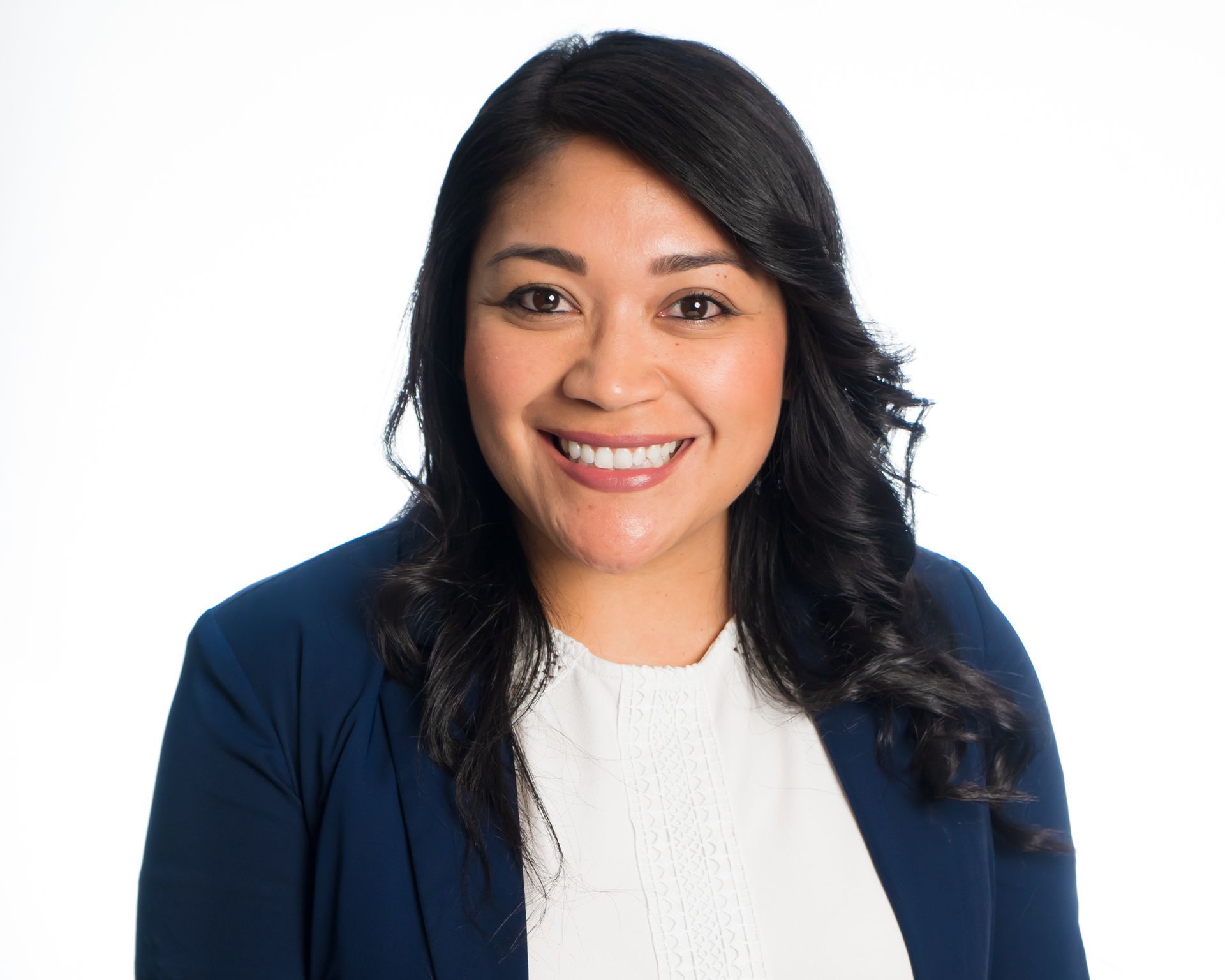
Hi, I´m Dama Pérez
Licensed Marriage and Family Therapist, Certified Grief Educator, and founder of CASA Therapy.
I'm trained in Emotion Focused Therapy for both couples and individuals. I firmly believe that love can be healing when both people are willing to do the work.
Download my free guide